4th Grade Frenzy
Facebook Email Me Bloglovin TPT Shop Pinterest Image Map
Home About Me Shop Freebies

February 13, 2023

The Benefits of Buddy Classes in School

Buddy classes in school are when two classes from different grade levels, usually a higher and lower grade, are paired together. The purpose of buddy classes is to foster relationship building, provide mentorship, and extend the school community.


Benefits of buddy classes in school include:

  1. Positive relationships are developed between the younger and older students, which can help to create a more positive school environment.
  2. The older students can act as mentors for the younger students, helping to explain concepts and provide guidance.
  3. The younger students can practice their social skills with the older students.
  4. Younger students receive individual help with tasks.
  5. The buddy system provides all students with a sense of belonging to the school community.

Buddy classes can meet monthly, quarterly, or as the need arises. You could start by scheduling a few days throughout the year, and add more days if desired.

Here are some buddy class ideas you can start out with:

Math Games
Reading Games
Review Games
Planting Seeds
Monthly Themed Crafts
Reading Picture Books
Making Cards for Veterans or Seniors
Special Day Activities (100 Day, Read Across America Day, etc.)
Writing
Holiday Projects
Making Posters
Studying for a Quiz or Test
Flash Cards
Scavenger Hunts
Craftivities
Readers' Theater 
Poem Reading and Writing

The possibilities for buddy classes are endless!

Are you a subscriber yet?
FREE Activity for new subscribers:  Sign up for the Fourth Grade Frenzy newsletter!

Click the star to follow my TpT store! 


February 6, 2023

4 Lent Activities for Families

Children can develop a closer relationship with God during Lent. Lent activities revolve around prayer, fasting, and almsgiving. 


Here are a few Lenten activities you may want to try:

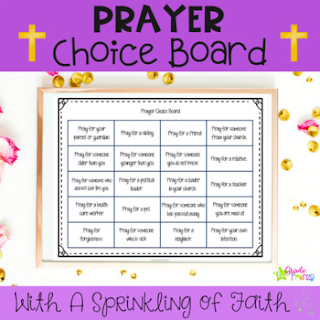
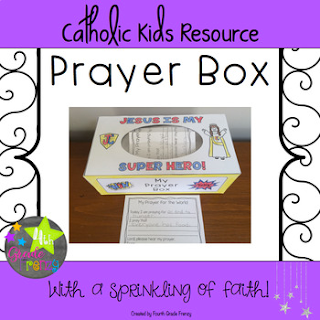
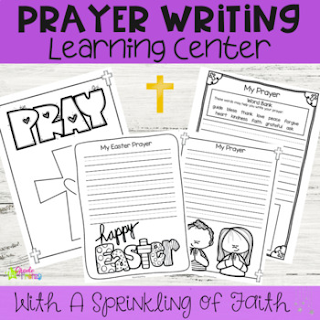
1. Make a prayer jar. 

Have children write a prayer each day, and place it in the jar. 

You can add a prayer choice board...


Or a use a  prayer box instead of a jar...


An alternative could be to set up a prayer writing center...


2. Make Lenten crosses.

Gather small sticks and tie them together with string. You can even use the crosses to make a Lenten garden!

3. Participate in a Lenten fast.

Brainstorm a list of items that children could possibly give up during Lent (electronics, cookies, candy, etc.) Have students choose one to give up.

4. Give to others.

This may be a good time to sort out clothes and toys that are outgrown to donate to charity. Children may be able to help with a service project during lent. They could also help clean out the pantry or go shopping to choose items to donate to a food pantry. 

Choose an activity to complete during Lent, and watch the children grow closer to God!

Are you a subscriber yet?

FREE Activity for new subscribers:  Sign up for the Fourth Grade Frenzy newsletter!

Click: How to Teach the Holy Trinity

Click the star to follow my TpT store! 


January 26, 2023

Formative Assessment Types That Students Will Love!

 Formative assessment can be fun and creative!


1. Break students into groups and challenge them to put on a skit. 

Skits work with almost any content area! They can be used to show understanding of a particular reading passage, a timeline of events in social studies, problem-solving in math, or a process in science. 

2. Have students create a quiz.

Students could create a short quiz on a topic and exchange it with a partner. The partner groups could then have a discussion about the questions and answers.

Another option would be for students to submit questions and you could select a few to create a quiz. 

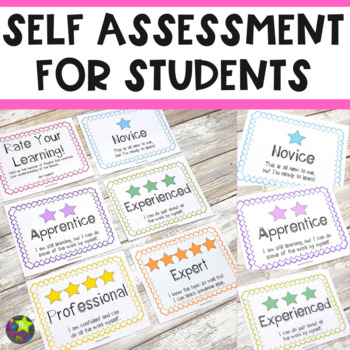
3. Use self-evaluation charts in your classroom.

From time to time, ask students to rate their learning. Students are quite aware of how well they are grasping the material you are teaching, so simply ask them! These charts have been super helpful in getting quick feedback from students. Students rate their understanding on a scale of 1 - 5. There is no 0 because being ready to learn counts! You're sure to smile when students rate themselves an off-the-charts 10!

Are you a subscriber yet?

FREE Activity for new subscribers:  Sign up for the Fourth Grade Frenzy newsletter!

Click the star to follow my TpT store! 


January 6, 2023

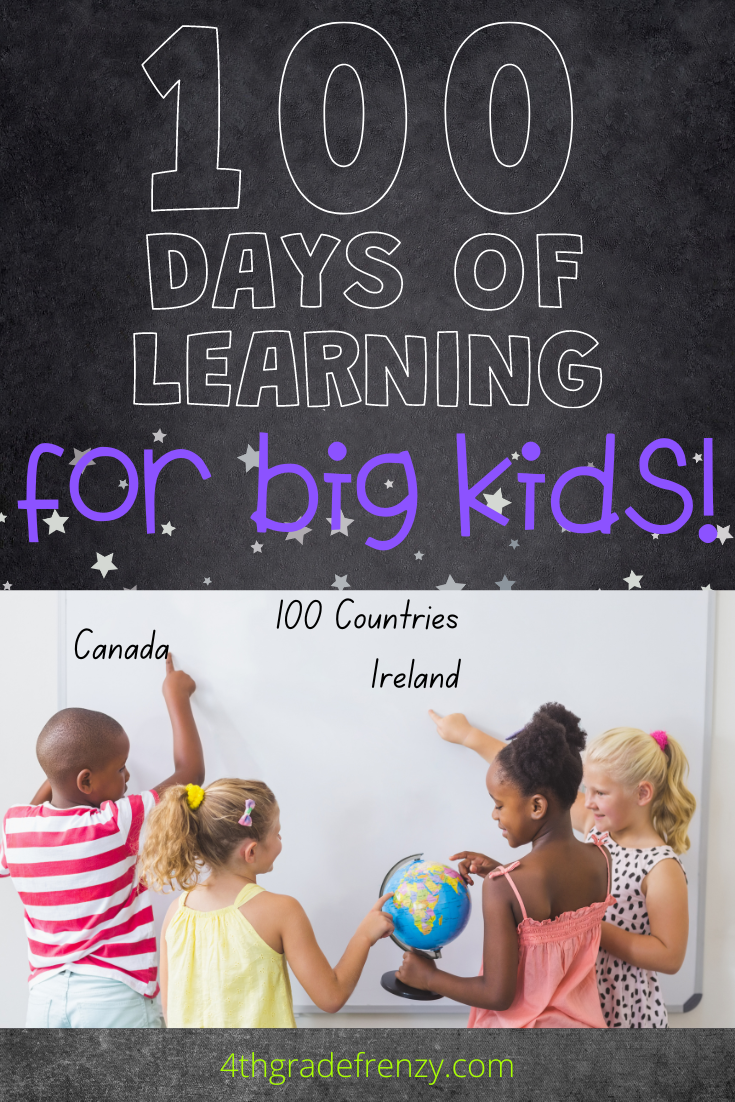
5 Ways to Celebrate the 100th Day of School for Big Kids

 Big kids can celebrate the 100th Day of School too! 


1. Create a 100th-Day of School time capsule.

Have the students write letters to themselves about what they've learned in school so far and what they hope to learn. Put the letters in a time capsule to be opened up on the 150th or 175th day of school. No need to spend any money...roll up the letters and stick them in an empty paper towel roll.

2. Have a 100th-Day of School scavenger hunt.

Create a list of 100 items for the students to find around the school, in their classrooms, and on the playground. Students may enjoy working with a partner for this activity. Play for fun or for small prizes.

3. Partner up with a younger buddy class.

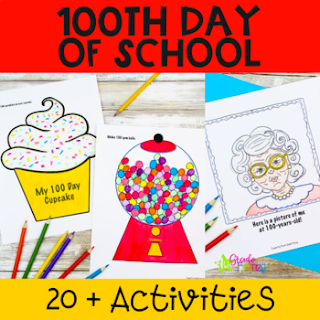
The big kids will love to work with the little ones on 100th-Day activities, and the teachers will appreciate the help. Have the big kids help the little ones make 100th-Day crowns or complete one of the many activities here:

100th Day of School Activities

4. Celebrate with a 100th-Day party!

Have 100th-Day snacks such as a Twinkie and 2 mini donuts to make the number 100 or have students make trail mix with 100 pieces of snacks. Play music from 100 years ago!

5. Have a 100th-Day photo shoot.

Take pictures of your 100th-Day activities and party. The photos will look extra special if students dress as 100 years old!

Make sure to join in on the fun!


Are you a subscriber yet?

FREE Activity for new subscribers:  Sign up for the Fourth Grade Frenzy newsletter!

Click the star to follow my TpT store! 


With faith and friendship,

December 1, 2022

5 Ways To Teach Reading Comprehension

Reading comprehension is a major goal of reading instruction. Reading comprehension skills include visualization, making connections, character analysis, sequencing, discovering a theme, finding the main idea and details, drawing conclusions, comparing and contrasting, and more. Teaching reading comprehension can be fun!


Here are a few reading comprehension activities and strategies for your consideration:


1. Draw pictures during read-a-louds to help with visualizing.

Choose a passage or chapter from the book you are reading. Hand out a blank sheet of paper and tell students to draw what they picture in their minds during a read-a-loud. When you are finished reading, discuss the drawings or give students an opportunity to walk around and look at other classmates' drawings. Another option is to read a poem. Students love drawing pictures while they listen to Shel Silverstein's silly poems!

2. Create timelines to help with sequencing.

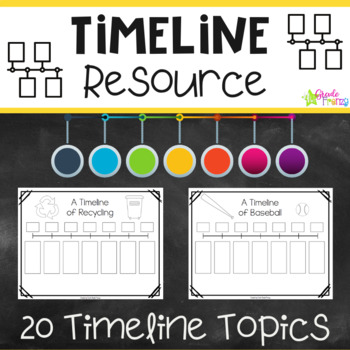
Give students a blank timeline and have them fill it in as they read. It may be beneficial to complete a timeline together first if students are not familiar with this tool.

This timeline resource contains a blank timeline along with other specific timelines:


3. Use Venn Diagrams to help with Compare and Contrast.

It may be fun to begin with overlapping hula hoops on the ground to sort information. Write the 2 ideas and specific information to be compared on index cards. Have students sort into the hula hoops. You could complete one together as a class and then break up into small groups to sort cards for other stories or texts.


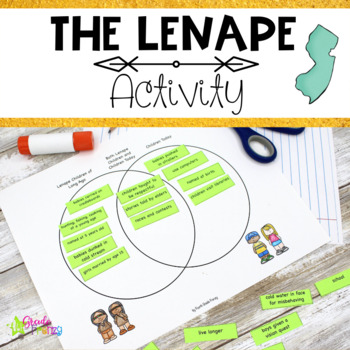
This activity works well if you integrate social studies into your reading block. This Lenape resource is an example of how a social studies text could be used for a compare and contrast activity using a Venn Diagram. It is appropriate for the New Jersey curriculum but could work with any state in which the Lenape are studied.


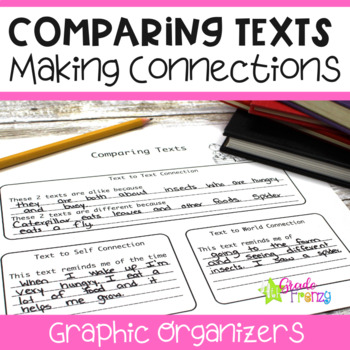
4. Give students time to make connections to self, world, and other stories.

After reading, have students finish this sentence: 

This story reminds me of...

Suggest that students think about how the story reminds them of something they experienced, something that happened in the real world, or another text. Have students respond on a sticky note and share responses.

These worksheets may help students organize their information: 


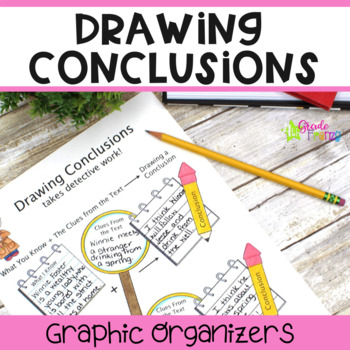
5. Have students use toy magnifying glasses to work on drawing conclusions.

Hand out inexpensive magnifying glasses and explain to students that they are gathering evidence in the story. Explain that drawing conclusions means using what you read and what you already know to form an idea or come up with an answer to a question. Use a notebook or this worksheet to help students draw conclusions: 


With activities that keep students engaged, comprehension is sure to improve!

Are you a subscriber yet?
FREE Activity for new subscribers:  Sign up for the Fourth Grade Frenzy newsletter!

Click the star to follow my TpT store! 


October 9, 2022

Multiplication Facts Review Activity

 Daily multiplication fact review is easy with quick games and activities. 

This math activity works well in a small math group or can be used as a large group game.


Directions for Wash My Car!

1. Draw a large car outline on the board. 

2. Fill the car with a bunch of math facts.

3. Students line up. Each student uses an eraser to point to a multiplication fact. The student reads the math fact and states the answer. If correct, the student erases the fact and goes to the back of the line for potentially another turn. If incorrect, the student simply goes to the back of the line.

4. Continue until the car is washed!

Once students know how the activity works, draw 2 car outlines on the board, divide the class into 2 teams, and have students race to wash the cars. Use a relay race format where each team has one eraser which gets passed to the next student in line after each turn.

This activity also works well with sight words!

Need more math games and activities?

3 Fun and Easy Ways to Practice Math Facts

4 More Fun and Easy Ways to Practice Multiplication Facts

Whole Group Math Games

Students are sure to be math-motivated! 

Are you a subscriber yet?

FREE Activity for new subscribers:  Sign up for the Fourth Grade Frenzy newsletter!

Click the star to follow my TpT store! 


September 19, 2022

10 Ways to Promote Reading at Home

 Creating readers can be fun, and the process lends itself to parent-child bonding.

When parents or guardians ask how they can promote reading at home, here are some ideas you can suggest:

1. Visit the Local Library.

Can you remember the smell of your childhood library? The feeling of choosing those 3 books to take home? Today's libraries offer so much more than physical books. Children may enjoy an educational program at the library followed by choosing a few books to borrow. Some libraries even hold used book sales a few times a year. You just may find that perfect book for 50¢!

2. Let Them See You Read, Read, Read.


Children observe and learn from the adults around them. Take a physical book with you wherever a wait is involved...dental and doctor's appointments, motor vehicle, practices, etc. Let them see you reading at the park, the beach, and while relaxing at home.

3. Visit a Bookstore.

Plan an outing to a local bookstore. To keep expenses down, set a limit as to how much your child can spend.

4. Give Books as Gifts.

Books make great gifts and there are so many possibilities to match interests. Start a tradition of giving a book on a holiday that your family celebrates. Gift cards to a bookstore are another option.

5. Make a Reading Fort.

Make a fun fort out of blankets or sheets. Grab books, flashlights, and some snacks. Let the fun begin!

6. Read to the Kids.

Kids are never too old to hear a story, and a bedtime story is a nice relaxing way to end the day.

7. Listen to Audio Books.

Driving the kids to practice? Have that book downloaded and ready to go. 

8. Visit a Little Library.


If you pass one of those little libraries, leave a book and take a book. If you don't have a little library nearby, why not make one?

9. Have a Reading Picnic.


Pack a lunch, a blanket, and some books. Find some shade and enjoy your snacks and books!

10. Encourage Kids to Read to Younger Siblings or Even Pets!


Children can read picture books to younger siblings. If the books are below grade level, they can still help build fluency and confidence. Reading to pets could also be fun!

Parents and guardians, along with the children, are sure to benefit from some additional reading time at home!

Are you a subscriber yet?

FREE Activity for new subscribers:  Sign up for the Fourth Grade Frenzy newsletter!

Click the star to follow my TpT store!